
Renewed Hope for Schools with SCALE
I feel hopeful about public education. For the first time in a long time, I feel hopeful about our public schools in Texas and the rest of the country!
After years of watching educators carry enormous responsibility while navigating uncertainty, the recent elections offer an opening for a stronger commitment to our public schools. Here in Texas, and across the country, we have an opportunity to turn renewed attention into meaningful support for students and the adults who serve them.
That possibility deserves a moment of gratitude. It also deserves thoughtful leadership!
Reasons for hope in Texas and beyond
State-wide, voters came out in larger numbers, seemingly in support of public education. Of course it isn’t that simple – elections never are – but public education won. Gina Hinojosa is the new Texas governor, a staunch public education supporter. The overall results represent a significant change in the state’s elected leadership.
For those of us eager to see public education receive greater attention and support, this transition creates an opportunity to bring classroom realities into conversations about state priorities. I see reason for hope in that opening. We should also expect elected leaders to demonstrate their commitment through the decisions they make.
We can welcome the encouraging results while listening carefully to communities.
The opportunity ahead is to make the case for public education through both sound policy and visible local progress.
What hope should mean for our schools
My hope is that teachers experience greater respect for their expertise. That principals have the support and time to lead instruction. That families see schools as partners. That students can count on caring adults, strong teaching, and opportunities that expand their futures.
These are commitments we can invite people across political differences to share.
An election changes who holds office. Better student experiences depend on what happens afterward: budgets, policies, implementation, and the daily decisions adults make in schools.
That is where leadership matters.
Leaders shape conditions. Conditions shape behaviors. Behaviors produce results.
To achieve stronger results, we must examine the conditions that make effective teaching and learning possible. Adequate resources matter. So do clarity, trust, time for collaboration, useful feedback, and sustained support.
The SCALE framework offers a practical way to move from renewed hope to purposeful action.
S — Set the Vision & Team
Use this moment to clarify what your school community wants students to experience. Bring teachers, families, students, and other staff into the conversation, including people whose perspectives are often missing.
Avoid assuming that everyone interprets “better schools” the same way. Ask what it would look like in a classroom, a team meeting, or a family’s interaction with the school.
Try this: Ask your team, “What is one condition we could strengthen this semester that would make the greatest difference for students?” Choose a shared priority and describe the result you want.
Consider: Whose voice do we need before we decide?
C — Create the Script
Give the priority a workable plan while including teachers and other stakeholders. Identify the practices, resources, learning, and time people will need. Agree on responsibilities and how you will recognize progress.
For example, if the priority is stronger teacher collaboration, define what productive collaboration involves. Protect meeting time, establish a useful routine for examining student work, and plan support for team facilitators.
Try this: Create a one-page plan naming the desired student result, the adult practices needed, the support required, and the tangible evidence you will review, and when.
Consider: Have the voices of the people doing the work been the loudest, and how have we made this possible within the time and resources people actually have?
A — Act & Communicate
Now implemenet it. Begin with a manageable action and transparently explain its purpose. Share what is known about policy changes and what remains undecided. Keep communication grounded in verified information/evidence.
Within the school, make it easy for people to ask questions and report obstacles. A leader’s response to a concern helps determine whether the next person will speak up.
Try this: Share a brief update: “Here is our priority, here is what we are trying, and here is how you can help us improve it.”
Consider: Are any other voices important to consider right now?
L — Learn, Listen & Linger
Give improvement enough attention to understand how it is working. Review student work, observe practice, and listen to teachers, students, and families.
When results are slow, investigate. Be curious about what is happening. People may need a clearer example, additional practice, coaching, or a change in the plan. Stay engaged long enough to distinguish a weak approach from an approach that has not yet received adequate support.
Try this: Schedule a monthly review of three questions: What are we seeing? What are we hearing? What do we need to adjust?
Consider: What evidence would lead us to change our approach? What are people experiencing that our announcements do not reveal?
E — Empower & Elevate
Build the capacity to sustain progress. Develop teacher leaders, document useful routines, and help new staff understand the work.
Celebrate specific progress and the effort that produced it. When a team improves a practice, invite members to share what they learned so others can adapt it.
Try this: Ask a teacher team to lead the next review of implementation evidence and recommend a practical adjustment.
Consider: Who is becoming more capable of leading this work alongside us? What are some ways we can ensure this continues?
A hopeful next step
To the educators who have continued showing up for students: your work matters. Your knowledge belongs in the decisions ahead.
We can welcome new possibilities, ask elected leaders to follow through, and keep strengthening our schools now. Start with one conversation. Choose one shared priority. Remove one barrier that is making good work harder.
I am hopeful because this moment offers an opening, and because educators, families, and communities have the ability to make something meaningful of it.
Let’s turn that hope into conditions in which teachers can thrive and students can flourish. The time is now!
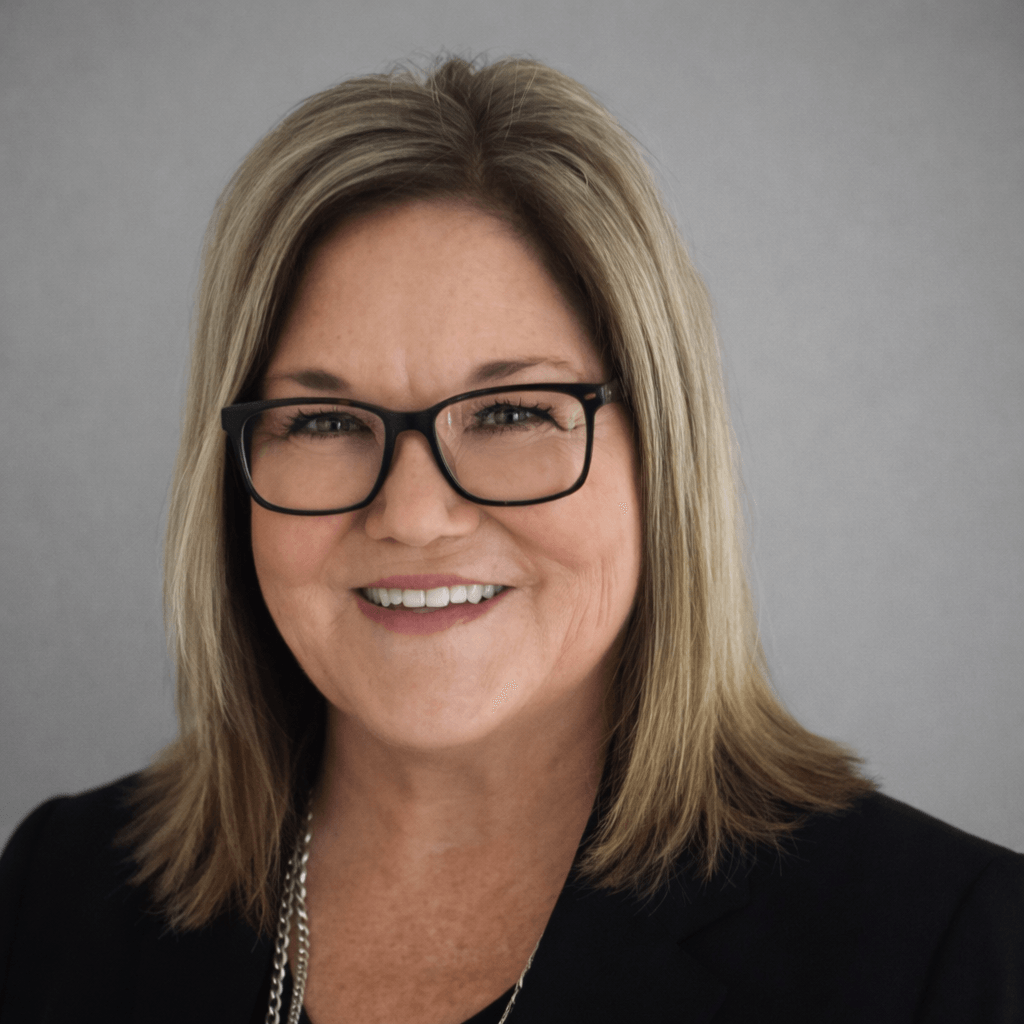
Hello, I'm Kelly Hastings!
I'm a former teacher and principal who now supports school leaders through coaching and training. As the founder of Enlightening Leadership, I help educators implement real change using the SCALE framework. I write from lived experience - always grounded, practical, and focused on what works in real schools.
Join My Newsletter List

We support principals, teacher leaders, and district administrators with coaching and training grounded in real-world experience. Through the SCALE framework and steady partnership, we help you lead with clarity, build strong teams, and bring lasting change to your school.


Resources
© Enlightening Leadership. All Rights Reserved.
Privacy Policy | Terms & Conditions
© Enlightening Leadership. All Rights Reserved.
Privacy Policy | Terms & Conditions